
- jamaica|
- community|
- March 2026
The recovery across hardest-hit communities post Hurricane Melissa is being measured not only in cleared roads and repaired buildings, but in something far more personal — the return to work.
For spaces where agriculture, fisheries and small enterprise form the backbone of many rural districts, efforts to restore livelihoods is not simply about rebuilding businesses - but restoring the systems that feed communities, circulate income locally and preserve the cultural traditions that shape everyday life. Facilitating that return to work for breadwinners has been a major focus of the Sandals Foundation’s Recovery Mission.
Through partnerships with public agencies, corporate partners and community organizations, the philanthropic organisation has mobilized some JMD 10 Million Dollars in monetary and in-kind support to help restore income-generating activities in Westmoreland and St. Elizabeth.
For micro-entrepreneurs — including cookshops, corner shops, artisans and roadside vendors — recovery has required rebuilding both structures and supply chains, to achieve long-term resilience.
Working alongside the LASCO Chin Foundation, targeted support has been delivered to 20 small business operators—equipping them not just to reopen, but to rebuild with strength and stability. Through the provision of building materials, restocked supplies, essential equipment, generators, lighting systems, and specialized start-up kits, these entrepreneurs are regaining their footing, restoring their income, and reclaiming their place at the heart of their communities.
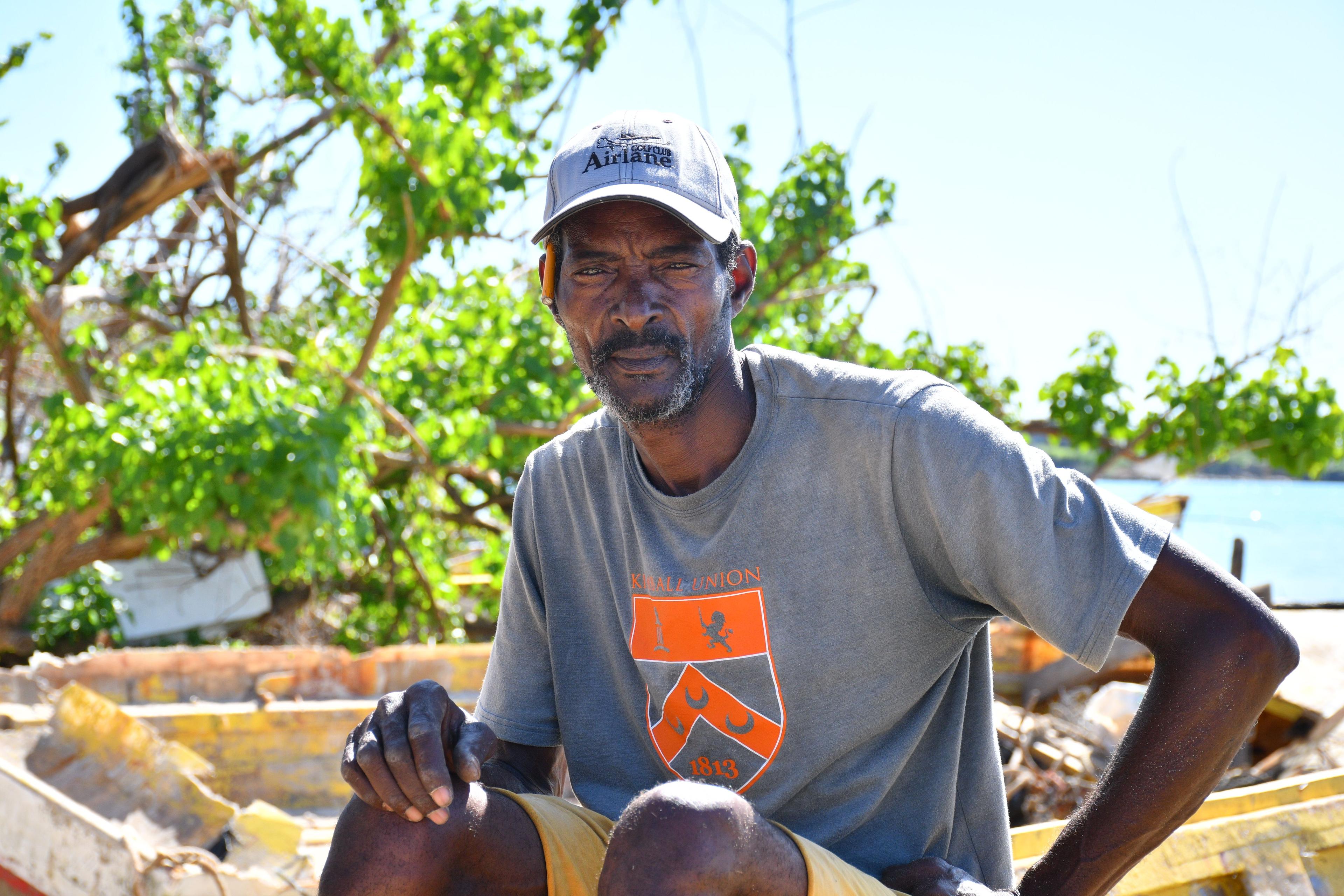
For Vashmore Campbell, a cookshop owner in Belmont, Westmoreland, cooking has been part of his life for as long as he can remember. He recalls standing beside his grandmother in her kitchen from the age of five, learning the rhythms and flavors that would eventually inspire him to open his own seafood cookshop overlooking the sea.
Before Hurricane Melissa, guests would gather at his restaurant to enjoy fresh seafood, take in the ocean view and relax on an over-water swing while waiting for their meals. But after the storm passed, almost everything was gone.
“The hurricane left only the bar standing,” Campbell said. “But cooking has always been my passion. Seeing people enjoy the food I prepare brings me joy. I’m grateful for the building materials because now I can rebuild — bigger and better — and go back to serving my community.”
Also in Belmont, wholesaler Delbert Rodney feels renewed hope with the delivery of key supplies that have enabled him to resume support to approximately 20 surrounding shops.
“That day [Hurricane Melissa) was a terrible one for me. I lost stock and parts of the building, and all I could think about were the people who depend on this business — my family, my staff and the shopkeepers I supply. The help I received has lifted a tremendous weight off my shoulders. It means I can get back to supplying the smaller shops and keeping the community moving again.”
Support has also been extended by the Sandals Foundation to artisans and small producers whose work contributes to the cultural and economic fabric of their communities.
For 41-year-old straw artisan Omar Daley, basketry is more than a livelihood — it is a craft passed down through generations. “I learned this from my mother. Basketry has been part of our heritage for centuries, and today we are reimagining it to create handbags, home décor and other pieces that showcase Jamaican craftsmanship.”
When Hurricane Melissa struck, Daley lost materials, finished items awaiting shipment were halted and electricity to power his workspace was lost. Now, the installation of solar energy by the Sandals Foundation has allowed him to return to work.
Moved to tears during the solar energy infrastructure installation, Daley expressed deep gratitude.
“Now I can start making crafts again and prepare for an international showcase in New Orleans, USA that will elevate my business and bring Jamaican craft to the world stage,” he said. “It also means my children can go back to learning at home with electricity.”
Heidi Clarke, Executive Director of the Sandals Foundation says restoring livelihoods is one of the most important steps to regaining stability.
“After a disaster, communities cannot fully recover until people are able to earn again. Whether it is farmers returning to the land, fishers returning to the sea, artisans returning to their craft or entrepreneurs reopening their businesses, restoring livelihoods helps bring stability back to families and hope back to communities.”
Additional livelihood support of the Sandals Foundation include its partnership with the Rural Agricultural Development Authority (RADA) distributing seedling trays, germination mix and seeds to some 150 farmers in Westmoreland to enable them to begin replanting crops and restore vital local food production. Within the fishing sector, efforts focused on restoring safe access to fishing grounds and stabilizing operations. Working alongside The Fisheries Division, RUBiS Energy, RAPID TrueValue and volunteers, debris was cleared from boats, gasolene, ice igloos, and generators were provided, and key access points at Fisherman’s Beach and surrounding fishing villages were opened, allowing fishers to safely return to sea.
As rebuilding continues across many areas, the gradual return of economic activity is already beginning to reshape the recovery landscape.
Because when livelihoods begin to move again, communities move with them.