
- jamaica|
- community|
- October 2026
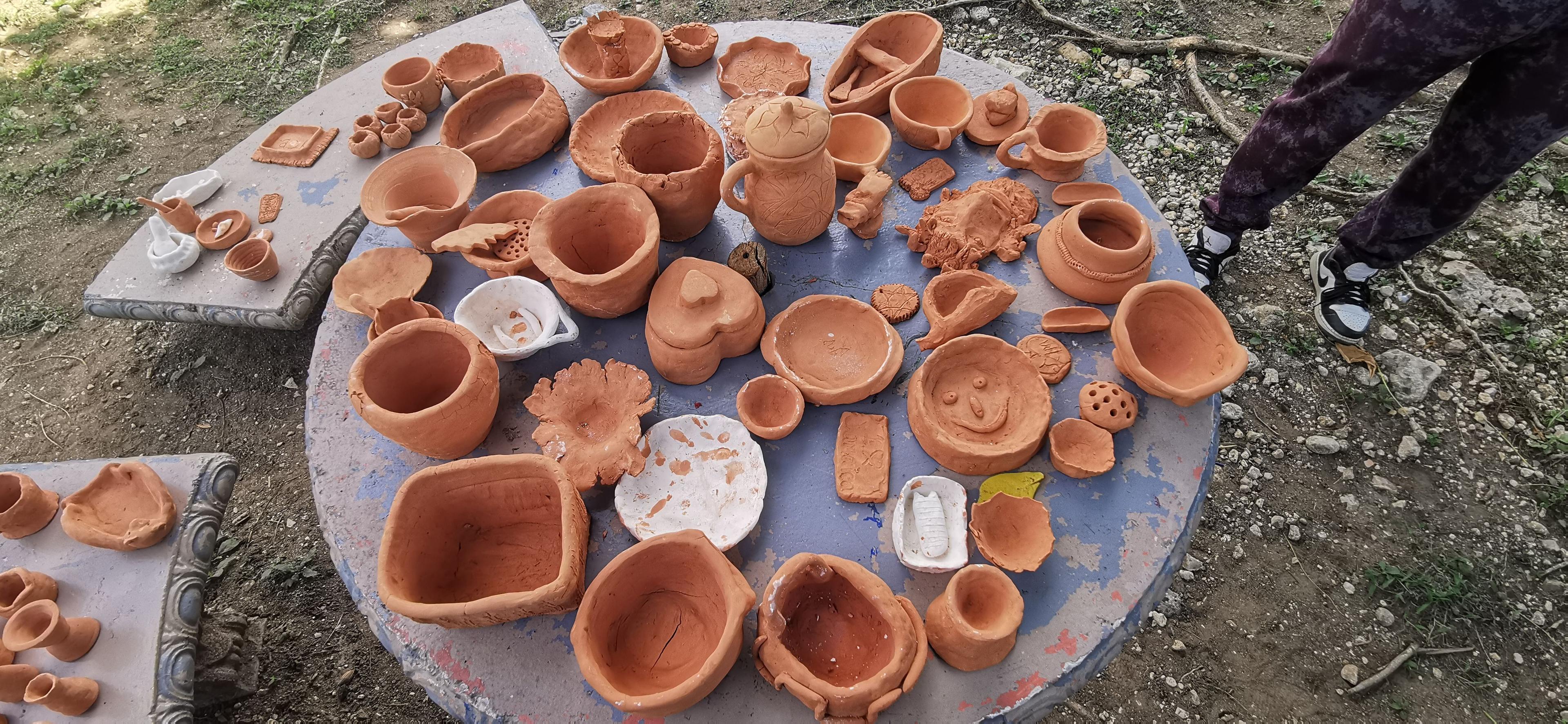
At the Rio Nuevo Great House/Village, twenty Jamaican artisans from communities along the island’s north coast are discovering new skills, confidence and possibilities through Taino-inspired pottery and craft training under the Linking Legacy and Livelihoods initiative with an aim to preserve the country’s heritage and create livelihood opportunities.
The twelve weeks long project valued at just over JMD $2-million began in August with funding from the Sandals Foundation and is implemented by the Built Heritage Jamaica in collaboration with the Tourism Product Development Company (TPDCo).
Throughout the workshops, participants from across St. Ann and St. Mary have learnt how to bring principles of modern and traditional Taino design, including the use of Taino glyphs to create their pottery pieces. The Taino were arawakan-speaking Indigenous people, who originally inhabited the Caribbean islands prior to the colonial era. They form part of the historical heritage of Jamaica through various remnants in arts and culture. Training also includes clay preparation, kiln firing, wood and earth pits.
Alongside pottery, the artisans are learning basketry (using the loom method) and other small craft techniques, as well as business development support and exposure to additional markets. As part of the project, some finished pieces are hoped to be sold in craft markets as well as hotel gift shops islandwide.
Director of Operations at Sandals Foundation, Karen Zacca said “We are very excited about this project as it seeks to nurture the growth and development of our island’s artistic cultural ambassadors. Together, we can share these unique interpretations with visitors for years to come.”
Karimah Palmer is a twenty-eight year old jewelry maker, who always explored arts, winemaking and natural products production. She intends to incorporate pottery and sculpting into her jewelry pieces such as pendants, earring and jewelry boxes.
“The artisan sessions were fun and impactful. I learned so much within a short period of time including the importance of patience, making mistakes so I could learn from them, balance and pressure control. It also made me appreciate my heritage more through the historical ways pottery was done and is still used today,” Ms. Palmer shared.
On his part, seventy-year-old Derek Harris, who works in Highgate, St. Mary started his artisan journey in wood carving before building his career as a photographer for over fifteen years.
He was intrigued by the many ways of using clay. “I find clay fun to work with and I certainly will be doing more ceramic pieces. I now believe I can become a famous artist if I practice more and I’m looking forward to more tutoring.”
Maxine Harris, Vice and Acting Chairman of the St. Mary/St.Ann Chapter of Built Heritage Jamaica said the organisation is intentional with linking Jamaican heritage and the livelihood of community stakeholders.
“During the workshops, participants were caught up in discussions on Taino and Maroons and were excited, although they incorporated self-inspired design ideas, some were also inspired by traditional items their grandmother used like a ‘waspan’ with the wooden scrubber,” Ms. Harris said.
She is optimistic that the participants will be able to access additional income from improving or acquiring these skills. “In November, we will place emphasis on exposure to markets not just for pottery but also embroidery,” she stated.
Over the long term, there are plans to add training in stone and calabash art, using materials that are readily available in the area. This is intended to attract more young people to craft as a part-time or full-time livelihood option.
Built Heritage Jamaica's goal is to expand and strengthen authentic, community-driven product offerings that reflect the beauty and nature of the island. The Sandals Foundation is pleased to support Built Heritage Jamaica’s mandate to preserve the island’s physical heritage and help people understand the culture it represents.